


The spaces where we spend the majority of our time have become more than just our everyday surroundings, they are places that influence our mood, productivity, mental and physical health, and even recovery. Whether this is your living room, home office, or a professional setting, thoughtful design choices can have a dramatic impact on how we navigate our daily lives.
Comfortable furniture, layered lighting, and ergonomic office setups can all help create spaces that offer style and practicality, but, most importantly, support our well-being.
The Key To Home Comforts
Within the home, the living room, dining room and bedroom all have their own specific uses, yet they all have one thing in common: they all rely on comfort. Comfort is essential for maintaining our productivity and well-being, regardless of the individual functions, styles, or designs of items.
In living rooms, comfort is mainly found within quality seating options. Sofas and armchairs are reliable for offering both support and durability, whilst still adding style and design to the home. Ensuring that your sofas and armchairs are suitable for back support and comfort is key, and investing in high-quality pieces can provide long-term durability and support.
For dining rooms, making sure that you choose the right size table and chairs can help to improve practicality and style. Tables which are too small for the space will make the room appear smaller than it is, whereas the right-sized table will help to showcase and enhance any features the space may have.
In bedrooms, comfort is found within our beds. Choosing the wrong bedframe and mattress can negatively impact your sleep hygiene, resulting in poor rest and a cluttered room.
Investing in comfortable, high-quality furniture is essential to ensuring your home is presented with the elegance it deserves and to guarantee the pieces will stand the test of time.
The Rise of Ergonomic Home Furniture
Similarly, with the rise of hybrid and remote working, home offices are becoming one of the most important rooms in the house. However, many people are still relying on their dining rooms, sofas, and in some cases, their beds, to provide suitable seating for their 9-5. This is not only affecting our productivity, but it is a main factor in the increase of back pain and poor posture.
An effective workspace chair should prioritise adjustable seating and effective lumbar support, whilst desks should offer suitable heights for elevated control. Ergonomic features are not only supportive whilst in use, but they can offer long-term health investment, designed specifically to support spinal alignment and reduce strain during any long working hours. Finding effective ergonomic furniture for your home is essential for creating a productive mindset in any health-conscious work space, whether that is in a home office or in a corporate space.
Designing for Care and Recovery
Whilst comfort in the home is key, we often overlook the comfort we find in workplaces. This becomes even more critical in healthcare settings, where our well-being is the main focus. Hospitals and clinics require environments where hygiene, durabililty and accessibility are key, and our comfort should not be ignored.
Furniture in clinical spaces must meet strict standards, providing adjustable beds to help improve patient recovery and even staff efficiency. Similarly, waiting areas should be adjusted to reassure, rather than feel standard and industrial. For long waiting hours and overnight stays, comfort should be the number one priority in making sure that patients are supported and can focus on their well-being. Balancing functionality with compassionate design can make patients feel right at home, directly impacting human experience within an otherwise daunting environment.
Highlighting Design Through Spotlight Features
Lighting has become a powerhouse in instantly transforming a space for comfort. Bright, harsh lighting can make a space feel clinical and overly sensitive, whereas lighting that is too dim can make the space feel impractical and underused. Focusing on layered lighting can be the key to finding comfort in every aspect of design.
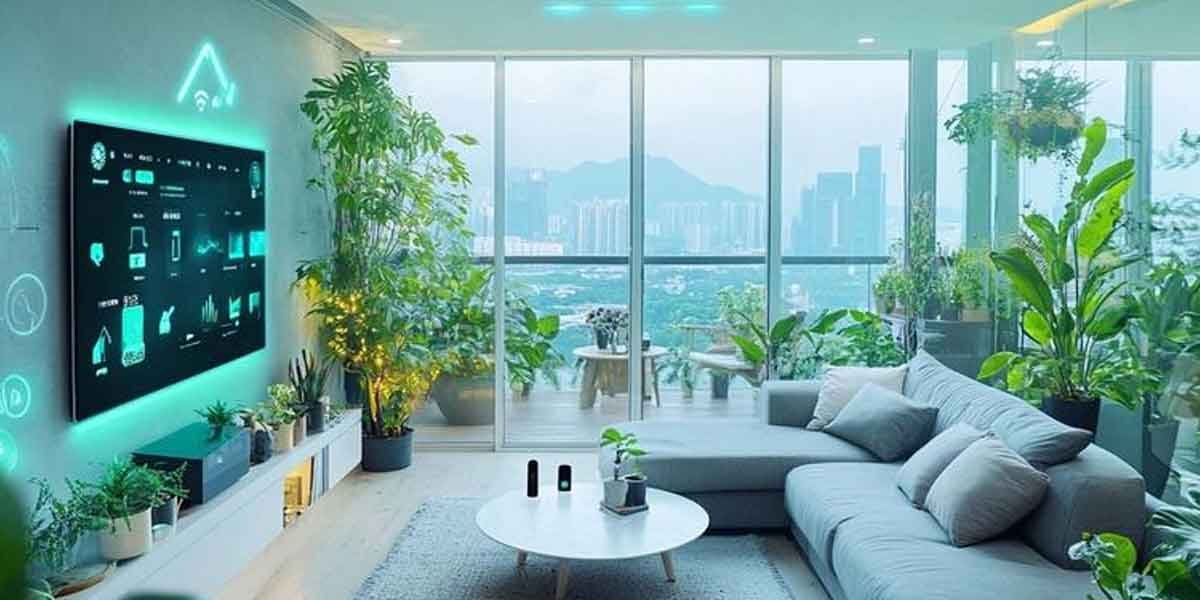
A well-designed lighting plan should include ambient lighting for the overall illumination, task lighting suitable for workspaces, and accent lighting to highlight features and create a warming environment. LED lighting has made it easier than ever to incorporate energy efficiency with aesthetic appeal, as many LED systems provide adjustable brightness and longer lifespans. High-quality lighting solutions are essential to allow homeowners and businesses to tailor environments according to their specific needs, whether that be warm environments for a bedroom or brighter tones for a productive workspace.
Creating Strong Foundations
A feature that is often overlooked when considering comfort within a home or workplace is solid groundwork. Renovations, upgrades and decorations can all assist in refreshing a space to make it feel as comfortable as possible.
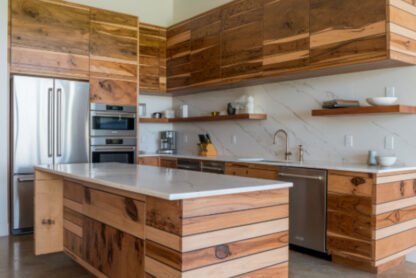
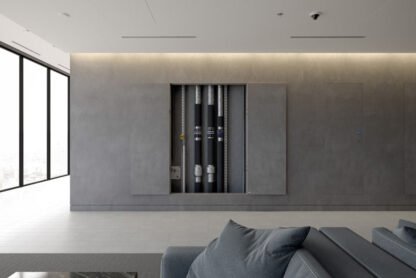
Kitchens and bathrooms are typically the main culprits for underutilised foundations. Focusing on efficient plumbing can prevent costly issues down the line, whilst durable fixtures can improve long-term usability. Similarly, simple fixtures like painting and decorating or updating light fittings can completely renovate a room without the need for a full build. Focus and work are required for each of these features, however, they ultimately contribute to the level of comfort experienced in the space, whether that is calm or energetic.
Designing Spaces That Truly Work
Whether you are designing a cosy living area, upgrading a home office or equipping a clinical ward, all of these principles stay the same. Prioritising comfort, investing in durability, focusing on ergonomics and building with quality materials and efficient lighting can help to balance a space and help it to feel more like a home. No matter which route you take, small changes that can support daily life, productivity and wellbeing can all contribute towards a happier and healthier future.
Smart design involves making intentional and informed choices, not necessarily following trends. These decisions should positively impact the way people live. With the appropriate selection of furniture, lighting, and equipment, the potential of any space can be purposefully utilised to prioritise comfort and wellbeing the right way.